DO: Know what you're dealing with
Before completely changing your skincare routine, remember that not every small bump is fungal acne.
Fungal acne often appears as clusters of small, relatively uniform bumps and may feel itchy. It commonly develops around the forehead and hairline, but can also appear on the chest, shoulders and upper back.
Traditional acne, on the other hand, can include several different types of blemishes at the same time, such as blackheads, whiteheads and inflamed pimples.
Other skin concerns can also cause small bumps and uneven texture.
That's why it's important not to diagnose fungal acne based on appearance alone. If the bumps are persistent, very itchy or keep returning, a dermatologist or healthcare professional can help determine what you're actually dealing with.
DON'T: Treat every bump like traditional acne
See bumps, grab an acne treatment?
Not necessarily.
Traditional acne and Malassezia folliculitis don't have exactly the same underlying cause. This means repeatedly adding products designed for clogged pores may not address the actual problem if you're dealing with fungal acne.
Using more and more acne treatments can also leave your skin dry and irritated.
Instead of immediately adding another active ingredient, first look at your overall routine and how your skin is behaving.
DO: Keep your skincare routine simple
When your skin is irritated or breaking out, more products aren't always better.
A simple routine makes it easier to see how your skin responds and helps prevent you from overwhelming it with unnecessary active ingredients.
Your routine doesn't need ten different steps.
Focus on the basics:
Morning:
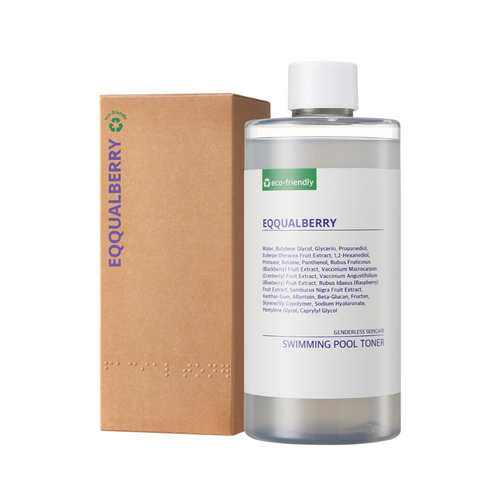
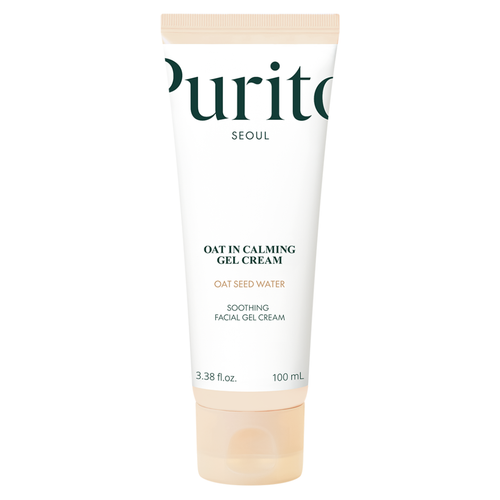
Gentle cleansing → Hydrating toner → Moisturizer → Sunscreen
Evening:
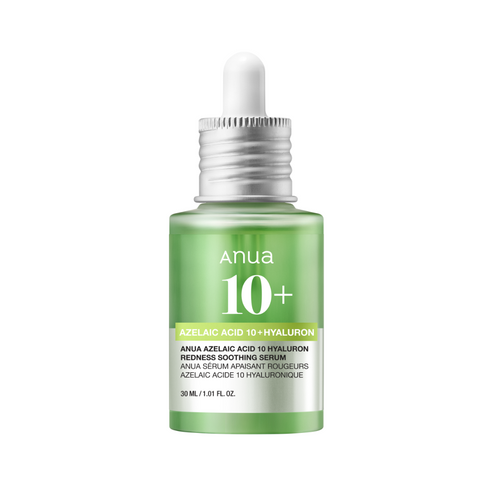
Cleanse → Toner → Hydrating or targeted treatment → Lightweight moisturizer
Once your skin feels comfortable with the basics, you can introduce additional products gradually.
DON'T: Change everything at once
A breakout can make you want to replace your cleanser, toner, serum and moisturizer all at the same time.
The problem is that if your skin improves, or gets worse, you won't know which product was responsible.
Introduce new skincare products one at a time whenever possible.
Give your skin the opportunity to adjust and observe how it responds before adding something else.
This is especially helpful if you have sensitive or reactive skin.

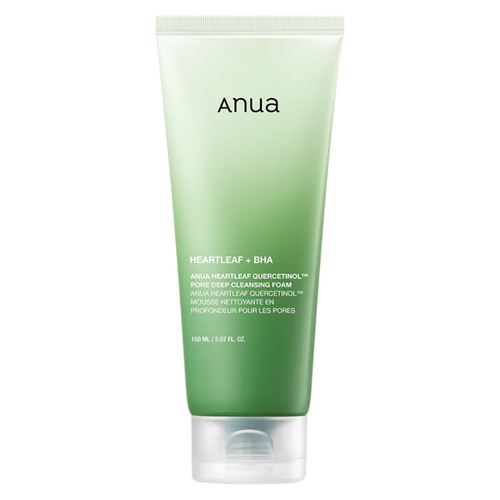
DO: Cleanse your skin gently
Cleansing helps remove excess sebum, sweat, sunscreen, makeup and impurities that accumulate throughout the day.
But your skin doesn't need to feel tight or squeaky clean afterwards.
Choose a cleanser that effectively cleanses without leaving your skin feeling excessively dry or uncomfortable.
After sweating heavily, gently cleansing or showering can also help remove sweat and buildup from areas that are prone to bumps.
DON'T: Over-cleanse your skin
If your skin is oily, washing it repeatedly throughout the day might seem like the solution.
It isn't necessarily.
Over-cleansing can strip the skin and contribute to dryness, tightness and irritation.
The goal isn't to remove every trace of oil from your skin. Sebum is a normal part of healthy skin.
Instead, aim for a routine that keeps your skin clean while maintaining a comfortable skin barrier.
DO: Pay attention to sweat
Do your bumps become more noticeable during summer or after working out?
Malassezia tends to thrive in warm and humid environments, making sweat and heat important factors to consider.
After heavy sweating:
- Change out of sweaty clothing.
- Shower when possible.
- Keep sweaty hair away from your forehead.
- Gently cleanse areas where sweat accumulates.
- Choose breathable clothing when exercising.
These small habits can be particularly useful if you experience bumps on your chest, shoulders or back.
DON'T: Stay in sweaty clothing for hours
Your gym outfit may be comfortable, but staying in damp, tight clothing for long periods can create a warm and humid environment against the skin.
This is especially relevant if you're prone to bumps on the back, chest or shoulders.
Try to change into clean, dry clothing after exercising rather than waiting several hours.
DO: Look at your haircare routine
If you mainly experience bumps around your forehead, temples and hairline, your facial skincare may not be the only thing worth checking.
Shampoo, conditioner, hair masks, styling creams and hair oils can all come into contact with the skin.
When washing your hair, rinse conditioner and masks thoroughly.
You may also prefer to cleanse your face after washing your hair so you can remove any remaining haircare residue from the forehead and hairline.
If you use rich leave-in treatments or oils, try to keep them away from your face when possible.
DON'T: Forget about products that touch your skin
Skincare isn't the only thing that comes into contact with your face.
Think about:
- Pillowcases.
- Towels.
- Makeup brushes.
- Hats and caps.
- Headbands.
- Phone screens.
- Sports equipment.
These surfaces can accumulate sweat, sebum and product residue.
Keeping items that frequently touch your face clean is a simple habit that can complement your skincare routine.

DO: Keep your skin hydrated
One of the biggest misconceptions about oily and acne-prone skin is that it doesn't need moisturizer.
But oil and water aren't the same thing.
Your skin can produce plenty of sebum and still be dehydrated.
Lightweight hydration can help keep the skin comfortable without necessarily making it feel heavy or greasy.
Depending on your skin, you might prefer:
- Lightweight hydrating toners.
- Essences.
- Water-based serums.
- Gel moisturizers.
- Lightweight lotions.
The right texture depends on what feels comfortable for your skin.
DON'T: Try to dry out your skin
Using harsh cleansers, skipping moisturizer and applying several drying treatments may seem like a logical approach when your skin feels oily.
But excessively drying your skin can contribute to irritation and a weakened skin barrier.
If your skin starts feeling tight, flaky, sensitive or uncomfortable, that's not necessarily a sign that your products are “working.”
Your skincare routine should help your skin feel balanced and comfortable, not stripped.
DO: Support your skin barrier
When you're dealing with bumps, it's easy to focus entirely on active ingredients.
But your skin barrier deserves attention too.
Ingredients that can complement a gentle, barrier-focused routine include:
Panthenol – Helps hydrate and soothe dry or uncomfortable skin.
Ceramides – Help support the natural lipid barrier and reduce excessive moisture loss.
Beta-Glucan – Helps hydrate and support skin comfort.
Centella Asiatica – A popular soothing ingredient in Korean skincare.
These ingredients aren't treatments for Malassezia folliculitis itself. Instead, they can help support hydrated, comfortable skin while you keep your routine gentle.
DON'T: Over-exfoliate
More exfoliation doesn't automatically mean fewer bumps.
AHA, BHA and other exfoliating ingredients can be useful for removing accumulated dead skin cells and improving concerns such as clogged pores and uneven texture.
However, using too many exfoliating products or using them too frequently can lead to irritation.
Be especially careful about combining several exfoliating products, such as:
- Exfoliating cleansers.
- Acid toners.
- Toner pads.
- Exfoliating serums.
- Peeling treatments.
You may unknowingly be exfoliating your skin much more frequently than you think.
Follow the instructions of your individual products and pay attention to how your skin responds.

DO: Consider what's happening on your body too
Fungal acne isn't limited to the face.
Malassezia folliculitis can also appear on areas such as the:
- Chest.
- Upper back.
- Shoulders.
- Upper arms.
If you regularly experience small bumps in these areas, consider factors such as sweat, tight clothing and products that come into contact with your body.
Even your shower routine may matter. For example, after rinsing conditioner or a hair mask, thoroughly rinsing the skin on your back can help remove leftover product residue.
DON'T: Assume every body breakout is fungal acne
Bumps on the chest and back can have different causes.
Traditional body acne, irritation and other types of folliculitis can sometimes look similar to Malassezia folliculitis.
If you're not seeing improvement despite adjusting your routine, don't automatically make your “fungal acne routine” stricter.
The bumps may have a different underlying cause.
DO: Wear sunscreen
Fungal acne-prone skin still needs sun protection.
Use a sunscreen that feels comfortable for your skin and that you're happy to wear consistently.
If you have oily skin, you may prefer lightweight fluid, gel or serum-like sunscreens rather than very rich formulas.
Daily sunscreen is especially important if your routine also contains exfoliating ingredients or other actives.
DON'T: Skip sunscreen because you're breaking out
Skipping sunscreen isn't the solution to acne-like bumps.
UV exposure can affect the skin and may make post-breakout discoloration more noticeable.
Instead, experiment with textures until you find a sunscreen that works comfortably with your skin.